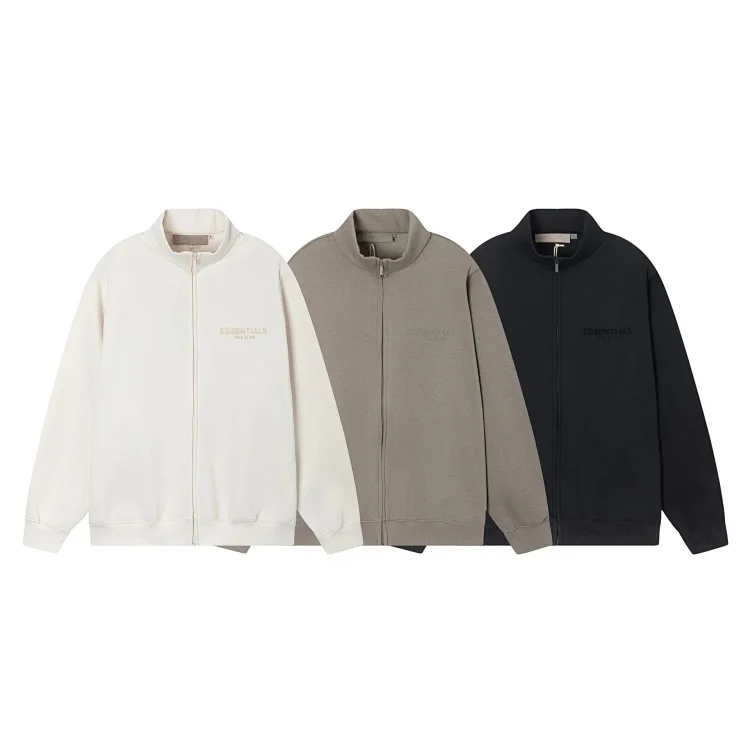
Independent product-link guide

Build a smarter Sugargoo haul.

A clean route from live product links to warehouse QC. Explore hand-picked finds from KakobuyMake, compare details, then place and manage your order through Sugargoo.

Taobao linksWeidian findsWarehouse QCShipping checks
10curated finds
10live categories
4buyer checks
ASICSAMIRISTREETWEARFOOTBALLHOODIESFOOTWEAROUTERWEARBAGS

START HERE

Browse by category

Start with what you are looking for, then verify the live listing before paying.

SMARTER DISCOVERY

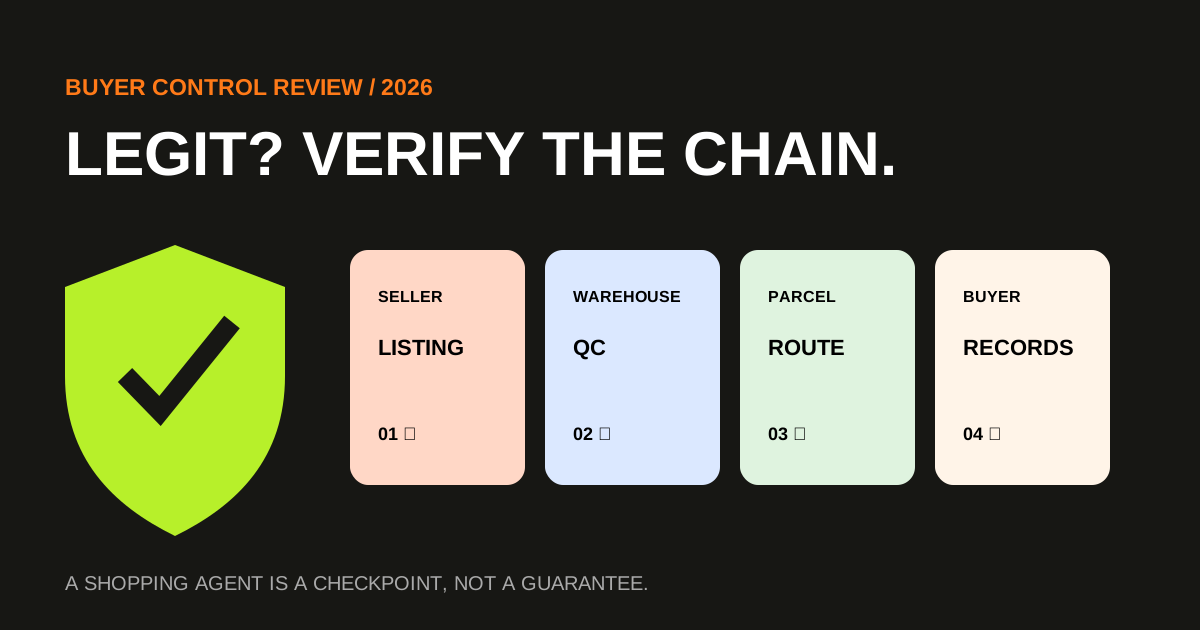
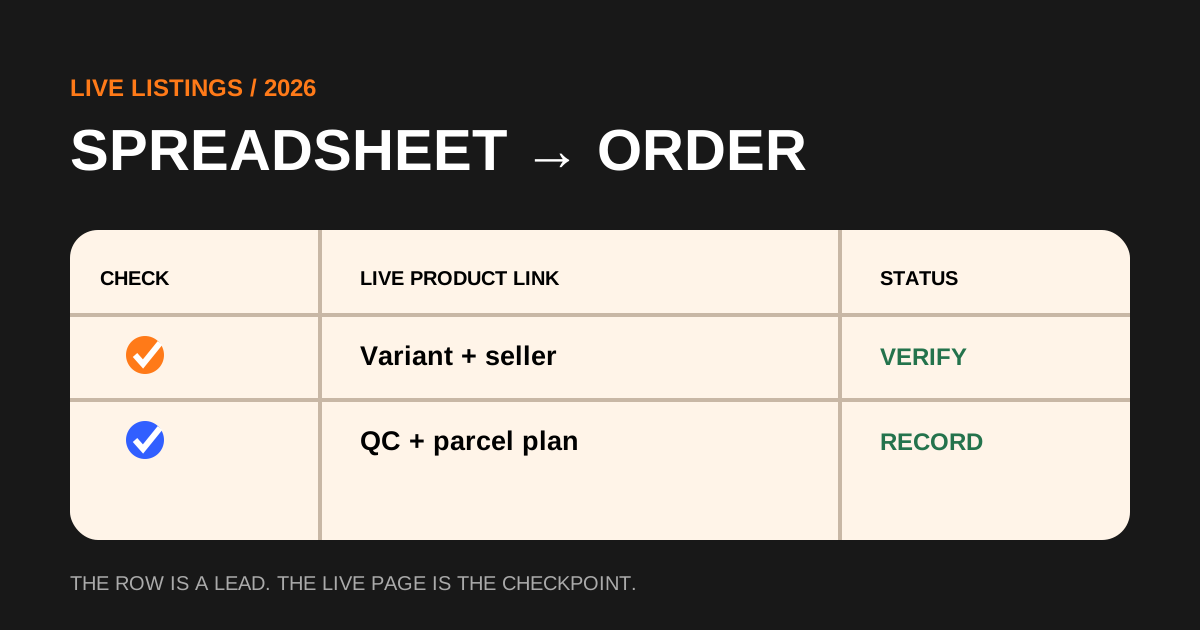
A spreadsheet is the start—not the final check

Use the catalogue to shortlist products, then verify the live listing, your exact variation and warehouse evidence before shipping.

01

Discover

Start from organized KakobuyMake categories instead of scattered screenshots and expired posts.

02

Verify

Open the live marketplace page and confirm seller, price, stock, size chart and variations.

03

Record

Keep the exact colour, size, model and accessories beside the link before placing an order.

04

Compare

Use warehouse QC to compare the received item with the variation you actually selected.

WAREHOUSE CHECKPOINT

A practical warehouse QC desk

Six checks that turn warehouse photos into a useful decision point.

QC photos are a visual checkpoint—not proof of authenticity, material composition or long-term durability.
01

Variation

Model, colour, size and quantity

02

Measurements

Compare the seller chart with visible measurements

03

Symmetry

Check paired shoes, prints, seams and placements

04

Condition

Look for stains, damage, missing parts and dents

05

Accessories

Confirm straps, laces, boxes and included pieces

06

Extra angles

Request a specific photo when evidence is missing

PARCEL PLANNING

Plan the parcel before the parcel plans your budget

Weight, dimensions, restricted attributes and packaging choices can change the final cost.

01

Actual vs volumetric weight

Large boxes and structured items can be charged by occupied space rather than scale weight alone.

Compare both before submission
02

Route eligibility

Liquids, batteries, magnets, electronics and some branded goods may have fewer available routes.

Confirm attributes early
03

Packaging decisions

Removing unnecessary packaging can reduce volume, but protection should match the product’s fragility.

Balance cost and protection

BUYING ROUTE

From link to parcel

A practical four-check workflow for first-time and experienced Sugargoo buyers.

01

Open the live listing

Treat every spreadsheet row as a lead, not a guarantee. Check current price, seller, variants, stock and size chart.

02

Paste the product URL

Use the complete Taobao, Weidian or 1688 URL in Sugargoo. Confirm colour, size, quantity and domestic freight.

03

Review warehouse QC

Compare the photos with your chosen option. Check measurements, visible damage and missing accessories.

04

Plan the parcel

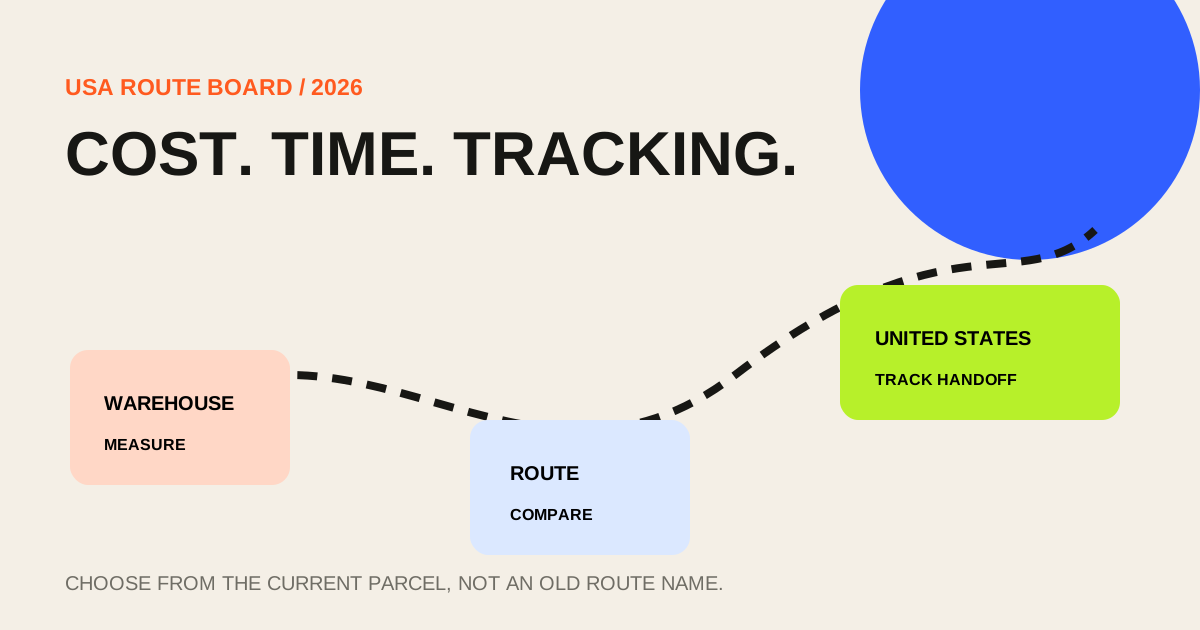
Compare actual and volumetric weight, packaging, route restrictions and the final quote before submission.

!

Keep the roles separate. This site helps with discovery and preparation. Sugargoo handles account-specific ordering, payment, warehouse, parcel and support actions.

ORIGINAL RESEARCH

Buyer field notes

Original research guides for the decisions that cost buyers the most time and money.
01

ORDER CONTROL · 12 min

The Variation Ledger: A Pre-Purchase Control System for Sugargoo Orders

A product link is not an instruction sheet. Build a compact evidence record that survives seller-page changes, purchasing-agent questions and warehouse arrival.
Open guide

The most expensive Sugargoo mistakes are often created before an agent buys anything. A buyer sees a promising spreadsheet row, pastes the marketplace URL, chooses a colour from memory and assumes the seller’s latest photos describe the same version shown by the discovery site. The process is fragile: product pages change, sellers combine unrelated variations, domestic freight appears late, and a translated option name can hide a material or batch difference. A variation ledger is a small, time-stamped record of exactly what you intended to purchase, what the live page displayed, what the order request communicated and what the warehouse later received. This independent guide turns Sugargoo’s official order flow into a practical control system without pretending that an agent, catalogue image or QC photo can guarantee authenticity or long-term performance.

1. Treat the marketplace page as a moving document

A Taobao, Weidian or 1688 page is not a permanent specification. Sellers can change the title, images, option names, price, domestic shipping charge and available stock while keeping the same URL. That is why copying only the link produces a weak order record. Before pasting it into Sugargoo, record the page title, seller name, selected option text, displayed price, domestic freight, size chart and the date you checked them. Save the exact seller image associated with your variation when the page makes that connection clear. If the listing contains forty styles, write the style number or Chinese option text as well as your English description. “Black hoodie” is an interpretation; “option 17, black, size L, embroidered chest mark” is an instruction that can be compared later.

The ledger should also capture uncertainty. If the size chart seems to describe a different garment, mark it unresolved instead of inventing confidence. If a product photograph shows accessories but the text does not promise them, list those pieces as unconfirmed. This distinction matters because Sugargoo purchases on your behalf from the seller; it does not transform ambiguous seller information into a warranty. A clean uncertainty column tells you what to ask before payment and what to inspect after arrival. When a warehouse photo looks different, you can compare it with the evidence available at order time rather than with a vague memory of what the listing once showed.

2. Separate the four prices that buyers routinely merge

A spreadsheet price is a discovery reference, not a landed-cost promise. Your ledger should keep four numbers in separate columns: seller price, domestic freight to the Sugargoo warehouse, optional service costs and later international parcel cost. The first two belong to the purchase stage. The last depends on a different object—the packed parcel—and cannot be known precisely from a product thumbnail. A low-priced structured bag may consume more chargeable space than several T-shirts. A shoe price may look attractive until the box, protective packing and route rules are considered. By refusing to merge these numbers, you can compare products honestly. You are no longer asking, “Is this item cheap?” You are asking, “Is the seller price still attractive after the predictable costs and shipping behaviour of this category are acknowledged?”

3. Convert option selection into testable language

Order remarks should describe observable requirements. “Best quality” cannot be tested because it has no agreed standard. “Size tag must show EU 43,” “include the detachable strap shown for option B,” and “confirm the plug is Type C” can be checked. Start with identity: model, colour, size, quantity and variation. Then add one or two category-critical details. For trousers, that may be waist and outseam. For footwear, it may be size tag, colourway and whether the box is required. For electronics, it may be model, plug, battery attribute and included accessories. Avoid stuffing the remarks field with a novel. Long, contradictory instructions make the important requirements harder to see. The ledger can contain the background; the order remark should contain the short list that the purchasing team and seller can realistically follow.

Use seller-native identifiers whenever possible. A translated colour name can shift between “cream,” “beige” and “oatmeal,” while an option number or screenshot remains more stable. If the listing requires manual ordering because the normal options do not represent your request, slow down and verify the quotation before accepting it. The purpose is not to eliminate all translation risk; it is to create cross-checks. Option text, screenshot, numerical size and short remark should point to the same thing. When they disagree, do not choose the version that supports your preferred answer. Resolve the conflict. This discipline is especially valuable on multi-product listings where one URL represents tees, hoodies and accessories at different prices. The visible headline may describe the shop’s theme rather than the exact SKU you are buying.

4. Read order status as a sequence of custody, not a delivery promise

Sugargoo’s official guidance describes a sequence in which an agent confirms the request with the seller, purchases on the buyer’s behalf, follows domestic shipment and updates the account as the item moves toward the packing centre. That sequence contains several separate dependencies: the agent must interpret the order, the seller must accept it, stock must exist, and the seller must dispatch domestically. A purchased status does not mean the item has reached the warehouse, and a domestic tracking number does not mean warehouse inspection is complete. Use the ledger to record the date of each meaningful change and the question raised by any delay. This produces a factual support message—order number, current status, last movement and requested action—instead of a vague demand for an update.

Do not build your international shipping plan around the fastest domestic-arrival estimate. Sugargoo’s own guides commonly describe a few business days for ordinary seller dispatch and warehouse arrival, but seller behaviour varies. Pre-sale items, restocks, customised goods and slow 1688 suppliers can take longer. The right planning unit is a readiness window, not a promised day. Mark each order as seller pending, domestic transit, warehouse processing, QC review or ready for parcel. Submit a consolidated package only when the items that matter are actually ready and compatible. Otherwise, one delayed product can turn free warehouse time into indecision and can push the parcel into a busier shipping period. Status literacy is therefore a budget skill as much as a tracking skill.

5. Design the ledger for the warehouse decision

Sugargoo states that agent orders receive five free QC photos after warehouse sign-in, with additional detailed checks, measurements or functional tests available when needed. Those images become far more useful when your ledger already defines the comparison. Place the original option screenshot beside the warehouse photo, then check identity before aesthetics: correct model, colour, tagged size, quantity and included pieces. Only after identity passes should you examine condition, print placement, symmetry, seams or packaging. This order matters. Buyers often spend five minutes judging a logo while missing the wrong size tag. The ledger makes the review sequential and leaves a written reason for acceptance, extra evidence or after-sales action.

Build three outcomes into the record. Accept means the available evidence matches the order closely enough for your risk tolerance. Hold means a specific photograph, measurement or clarification is missing. After-sales means there is an observable mismatch, defect or missing component that justifies contacting support. Avoid the fourth, unofficial outcome—“probably fine”—because it hides uncertainty without resolving it. Sugargoo’s official returns guidance describes a short, valuable period for no-reason domestic returns, commonly five days, with responsibility for return cost depending on whether the reason is personal or seller-caused. Seller rules and item eligibility still matter, so act from the current order page rather than treating that window as universal. A prompt, documented decision is more useful than a perfect inspection performed after the seller’s return period has narrowed.

6. Close the loop without overstating what the record proves

After QC, add the accepted warehouse weight, visible measurements, special packing instruction and parcel group. This turns ten separate order histories into a parcel plan. Dense clothing can share one group; shoes with boxes may need a volume review; batteries, liquids, magnets or other sensitive attributes may reduce available routes. A product can pass visual QC and still be a poor parcel companion. The ledger should reveal that difference. It should also carry a storage date. Sugargoo’s official warehouse guidance states a 100-day free-storage period for goods and describes paid monthly extension by order after that period. Current account terms should always be checked, but the operational lesson is stable: free storage is a planning buffer, not permission to abandon decisions.

Finally, archive the record after parcel submission. Keep the seller evidence, order number, QC decision, packing request, route, declared information, tracking number and insurance choice together. This file will not prove authenticity, fibre composition, hidden electronics faults or future durability. It will prove what you selected, what was visible and what instructions were given. That is exactly what useful evidence should do. If a parcel issue appears, you can describe the event with dates and documents instead of reconstructing a story from memory. If the order succeeds, the ledger becomes a reusable benchmark: which sellers dispatched reliably, which categories created volume, which extra photos changed a decision and which notes were unnecessary. The best purchasing system does not promise zero risk. It makes each risk visible early enough to manage.

Questions buyers ask after reading this guide

Should I save the whole seller page?

Save the parts that define your decision: seller identity, exact variation, option image, price, domestic freight, size chart and date checked. A full-page capture can help, but a focused record is easier to compare with the order and warehouse evidence.

Can a detailed remark guarantee that the seller sends the right item?

No. A remark reduces ambiguity; it does not control seller stock or behaviour. Write observable requirements, keep the wording short and use warehouse QC as the next checkpoint.

Why record an item I already accepted?

Acceptance closes the warehouse decision but begins the parcel record. The stored weight, box choice, attributes and accepted evidence help with consolidation, later support and better decisions on your next haul.

Is the variation ledger only useful for expensive products?

No. Low-cost products often create the most careless decisions, and several small mistakes can cost more than one premium item. Use a lighter record for simple goods and a deeper one for complex or high-risk variations.

Independent research guide based on Sugargoo’s official ordering, warehouse, QC and shipping information reviewed in August 2026. Always confirm the current terms shown in your own account before paying or submitting a parcel.

02

WAREHOUSE QC · 13 min

The Evidence Ladder: How to Read Sugargoo QC Photos Without Guessing

Five free photos are a starting dataset, not a verdict. Use an evidence ladder that matches the question, product category and domestic return window.
Open guide

Warehouse QC is often described as a moment when a buyer looks at photographs and chooses yes or no. That description is too shallow. A photograph only answers the question its angle, distance, light and resolution allow it to answer. One image may confirm colour but hide surface damage. Another may show a size tag but say nothing about garment measurements. Sugargoo’s official guidance says agent orders receive five free QC photos after warehouse sign-in and that buyers can request additional detailed checks, measurements or functional tests when ordinary images do not resolve the issue. The useful skill, therefore, is not “spotting flaws.” It is knowing which claim each piece of evidence can support, which uncertainty deserves another check and when the domestic after-sales window matters more than continued inspection. This guide introduces an evidence ladder: identity, quantity, dimension, condition, construction and limited function. It applies a different visual protocol to footwear, clothing, bags and electronics, while keeping one principle constant—never ask a picture to prove what a picture cannot show.

1. Begin with identity because every later check depends on it

The first QC task is not judging quality. It is proving that the warehouse item corresponds to your order. Compare the order number, product model, colour, variation, tagged size and quantity with your purchase record. If the seller page used an option number, find the visual feature that distinguishes that option. If you ordered a two-piece set, confirm that both pieces appear. If the product should include a cable, strap, lace set, dust bag or detachable part, count it before studying cosmetic details. Identity errors are categorical: a beautifully constructed size M does not satisfy an order for size L. Yet buyers routinely overlook them because the eye is pulled toward logos, stitching or minor marks.

Use a two-column comparison rather than scrolling between screens. On the left, place the seller option and your order remarks. On the right, place the warehouse image. Mark each identity field pass, fail or unseen. “Unseen” is important. A tag hidden under a collar has not passed merely because the garment looks approximately correct. If a standard image does not show the tag, ask for that evidence while the item remains in the warehouse. Sugargoo’s five included photos create a useful baseline, but the number five has no magical relationship to your product’s risk. A simple T-shirt may be clear in three views; a technical electronic accessory may remain ambiguous after ten. Count resolved questions, not photographs.

2. Move from identity to dimensions, not from identity to opinion

Size labels are seller classifications, not body measurements. For clothing, the evidence ladder should move from tagged size to visible dimensions: chest width, length, shoulder, sleeve, waist, rise or inseam according to the garment. Compare warehouse measurements with the seller chart and allow for the fact that fabric placement and tape angle can introduce small differences. Do not demand laboratory precision from a photograph. Instead, define a tolerance that matters to fit. If your wearable T-shirt range is 56–59 centimetres across the chest, a clearly measured 51 centimetres is a decision-changing mismatch; 56 versus 57 may not be. The purpose of measurement evidence is to reduce fit uncertainty, not to manufacture a dispute over every millimetre.

For footwear, verify the tagged size and request an insole or outsole measurement only when sizing uncertainty justifies it. Insole measurements can be difficult to capture accurately inside a shoe, so interpret them as practical evidence rather than an absolute standard. For bags, dimensions help you test capacity and identify a wrong model, but soft structures can compress. For belts, usable length and hole range matter more than total decorative length. Build the request around the decision. “Measure everything” creates more data and more delay without necessarily improving confidence. “Please show chest width with the garment flat and the tape visible from edge to edge” tells the warehouse exactly what evidence will resolve your hold.

3. Inspect condition with a defect map

Condition review becomes more reliable when you divide the product into zones. For a hoodie: front body, back body, hood, cuffs, hem, zipper and interior. For shoes: left and right upper, toe boxes, heel counters, side profiles, soles and interior tags. For a bag: front, back, base, corners, handles, strap, closure and lining. Scan the zones in a fixed order and record only visible findings. A dark line may be a loose thread, shadow or stain; zooming does not convert uncertainty into fact. Request a closer, well-lit image of the exact zone. The best extra-photo request names location, angle and purpose: “close view of the right toe under neutral light to determine whether the mark is on the surface.”

Separate cosmetic variation from functional damage and order mismatch. A small thread end may be fixable; a broken zipper changes use; a missing strap changes completeness; a crushed retail box matters only if the box was part of your requirement. This hierarchy prevents two opposite errors: rejecting acceptable goods for tiny photographic irregularities and accepting serious defects because the overall silhouette looks good. Lighting also deserves caution. Warehouse light and phone processing can shift colour, especially for black, cream, reflective and fluorescent materials. Compare colour across several images and use nearby neutral objects as rough references, but do not treat a screen as a colourimeter. If colour is central to the purchase, request a clearer neutral-light view and keep your conclusion proportional to the evidence.

4. Use category-specific construction checks

Footwear needs paired evidence. Compare left and right shape, toe height, panel alignment, heel height and sole attachment. Check size tags and obvious glue or surface issues, but remember that photographs cannot prove cushioning lifespan or material chemistry. Clothing needs placement and proportion checks: collar shape, print or embroidery position, seam balance, zipper alignment and the measurements that control fit. Heavy fabric cannot be confirmed by appearance alone; warehouse weight may provide context, but packaging and accessories influence that number. Bags need shape, corner condition, handle attachment, zipper path, strap hardware and included pieces. A well-framed front image is insufficient because many bag failures occur at load-bearing points or inside the closure.

Electronics require the strictest boundary between visual QC and functional assurance. Photos can confirm model markings, plug type, visible ports, colour and included accessories. A requested test may show that a device powers on or performs a simple function at that moment. It cannot prove battery health over months, internal component quality, software reliability, radio compliance in your destination or safe long-term use. Batteries and magnets may also affect shipping-route eligibility even when the item passes QC. Record the attribute before parcel planning. Perfume and liquids have similar limits: a photo can show bottle condition and packaging, but not composition, authenticity, leakage resistance under transit pressure or route acceptance. When a category has hidden risk, the evidence ladder should end with an explicit residual-risk statement rather than a false pass.

5. Request one decisive check at a time

An effective extra-service request closes a decision gap. Write what is missing, how it should be shown and what choice depends on it. Examples include a tape measurement across the waist, a close image of a suspected scratch, a photo of the model label, or a simple power-on test where the service and product allow it. Avoid vague requests such as “check quality carefully.” Quality is a bundle of claims, and the warehouse cannot know which claim controls your decision. One decisive request is easier to perform, easier to review and less likely to produce another ambiguous image. If two questions are independent—size and surface mark—treat them as two checks rather than hoping one picture will solve both.

Time matters. Sugargoo’s official returns guidance identifies the first five days as the strongest general window for no-reason domestic returns, while seller conditions, item type and responsibility still determine eligibility and cost. Personal-preference returns may leave the buyer responsible for domestic return expense; seller-caused problems are handled differently. Do not spend the entire window collecting decorative angles after a decisive mismatch is already visible. Conversely, do not file an after-sales request based on a shadow when one close photo could resolve it. The evidence ladder is a timing tool: climb only until you have enough information to accept, request after-sales support or consciously retain the item despite residual uncertainty.

6. Write a QC verdict that another person could audit

A useful verdict contains four parts: what passed, what failed, what remained unseen and what action you selected. For example: “Correct model, colour and EU 43 tag confirmed; both shoes present; right toe mark cleared by close photo; insole length not measured; accept because tagged size and seller chart match previous fit.” That note is more valuable than “looks good.” If you request after-sales support, describe the mismatch with the order record and image number. Neutral language helps: “Order selected navy, warehouse image and tag show black” is actionable. “Seller scammed me” is a conclusion that does not improve evidence. Keep screenshots and dates attached to the order number.

Questions buyers ask after reading this guide

Do five free QC photos mean every part of the product is checked?

No. Five photos are a baseline visual record. Coverage depends on the angles and the product. Review which questions they answer, then request a specific extra check only when the missing evidence can change your decision.

Should I reject an item whenever a measurement differs from the seller chart?

Not automatically. Check the tape placement, product shape and size tolerance that actually affects fit. A large, clearly shown difference is meaningful; a tiny photographic difference may not be.

Can a power-on test prove that electronics are reliable?

It can show limited function at one moment. It cannot establish battery longevity, internal build, regulatory compliance or future reliability. Treat hidden electronic risk separately from visible QC.

What is the best wording for an extra photo request?

Name the location, view and decision: for example, “Please photograph the left heel straight-on so I can compare height and alignment with the right shoe.” Specific requests produce more usable evidence than “check it again.”

Independent research guide based on Sugargoo’s official ordering, warehouse, QC and shipping information reviewed in August 2026. Always confirm the current terms shown in your own account before paying or submitting a parcel.

03

PARCEL PLANNING · 14 min

Parcel Architecture: A Sugargoo Shipping Plan Built Around Billing Weight

Stop treating international shipping as the last button in the process. Design the parcel around density, route eligibility, protection and evidence before submission.
Open guide

A parcel is not merely a group of accepted orders. It is a new physical object with its own weight, dimensions, attributes, protection needs and route eligibility. That distinction explains why a cart full of inexpensive goods can produce an uncomfortable shipping quote. The seller charged for products; the carrier charges for moving a packed shape through a network. Sugargoo’s official shipping guidance distinguishes actual weight from volumetric weight, offers an estimate tool for comparing routes, and describes pre-shipment package simulation as a way to see packed actual and volumetric figures before committing to a line. This guide presents a parcel-architecture method: classify each item by density and restriction, choose what must be protected, simulate the package when uncertainty is material, compare route rules rather than headline prices, and preserve the evidence needed for tracking or a claim. The goal is the lowest sensible cost for a parcel whose risks you understand.

1. Build the parcel on paper before asking the warehouse to build it

Start with an inventory table containing order number, product category, warehouse weight, approximate dimensions, retail packaging, fragile zones, sensitive attributes and storage deadline. Then assign each item to a behaviour group. Dense soft goods—T-shirts, trousers and compact knitwear—usually use space efficiently. Bulky soft goods—puffer jackets and thick fleece—may be light but voluminous. Structured goods—shoe boxes, rigid bags and collectibles—resist compression. Fragile goods need protective space. Batteries, liquids, magnets and other sensitive attributes can limit lines. The purpose is not to predict the carrier perfectly. It is to expose combinations that deserve attention before you submit everything as one package.

Create a parcel hypothesis from compatible groups. A clothing-focused parcel may tolerate vacuum or compression choices that would deform a structured bag. Shoes without retail boxes can become much denser, but removing boxes may reduce protection or collector value. A small battery product can change the route set for an otherwise ordinary clothing parcel. One giant consolidation is not automatically efficient if it forces every item onto a more expensive or restrictive line. Compare at least two architectures: one combined parcel and a sensible split based on attributes or fragility. Include the duplicated base charges of a split, not just the apparent advantage. Parcel design is a trade-off between density, compatibility, protection and administrative simplicity.

2. Understand the two weights competing to become your bill

Actual weight is what the packed parcel registers on a scale. Volumetric weight converts occupied space into a carrier-defined weight using length, width and height. Sugargoo’s official shipping articles note that different couriers may use divisors such as 5000, 6000 or 7000, and that some routes charge by actual weight while others use the greater of actual and volumetric weight. This means there is no universal dimensional formula you can apply to every line. A light, large box may be billed as if it were much heavier because it consumes aircraft or truck capacity. A compact parcel of dense clothing may stay close to scale weight.

Track a simple density signal: actual kilograms divided by cubic volume. You do not need a perfect engineering calculation; you need to identify obvious volume risk. If removing an unnecessary shoe box reduces one dimension enough to cross a billing increment, the saving can be meaningful. If the parcel is already actual-weight dominant, aggressive compression may save little and add damage risk. Also study rounding rules and first-weight/additional-weight increments shown for the route. A 2.01-kilogram parcel can be treated differently from 1.99 kilograms on some pricing structures. Never optimise against a formula copied from an old social post. Use the current route details and packed measurements displayed in your Sugargoo account.

3. Use pre-shipment simulation when uncertainty is expensive

Sugargoo describes pre-shipment package simulation as a service that packs or models the intended parcel so the system can display actual and volumetric weight before the final shipping decision. This is most valuable when packaging choices can materially change dimensions, when several shoe boxes or structured items are involved, or when you are comparing routes with different billing methods. It is less valuable as a ritual performed on every tiny parcel. The decision rule is simple: use simulation when the possible cost of being wrong is larger than the service cost and delay. Record the requested packaging instructions before simulation so the result represents the parcel you actually want.

Treat the simulated result as a design review. Compare both weights, dimensions, packaging services and the eligible route list. If volumetric weight dominates, ask which reversible change could reduce space: remove nonessential retail packaging, fold soft goods differently, separate an awkward item or choose a route with a more favourable dimensional rule. If actual weight dominates, removing cardboard may have a smaller effect than expected. Do not keep paying for repeated simulations to chase an imaginary perfect number. Once the parcel meets your cost and protection threshold, move forward. The simulation narrows uncertainty; it does not freeze carrier prices, customs rules or transit performance.

4. Compare routes as operating systems, not price tags

Sugargoo’s estimate tool allows buyers to enter destination and parcel information to compare available lines, expected delivery ranges and prices. Use it for scenario planning before warehouse submission, then use the current account quote for the real parcel. Create a route matrix with billing basis, accepted attributes, size and weight limits, tracking quality, expected transit range, customs or tax handling shown by the line, insurance availability and current price. A cheap route that rejects a battery is not an option. A fast route with a tight size limit may disappear after packing. A tax-inclusive description should be read exactly as presented for the destination rather than generalised to every country.

Transit ranges are planning estimates, not appointments. Handover, export processing, flights, customs and local delivery create separate periods in which scans may pause. Peak seasons increase variability. Choose the route whose failure mode you can tolerate. If timing matters, leave margin instead of selecting a line whose best-case estimate ends the day before your deadline. If value matters, compare available insurance and tracking evidence. If the parcel contains easily replaceable basics, a different cost-risk balance may be sensible. Route selection is therefore personal but not arbitrary: it should follow the parcel’s attributes, value, deadline and your ability to absorb loss or delay.

5. Specify packaging by failure mode

Packaging requests should answer, “What is most likely to damage this item?” Moisture suggests an inner waterproof layer. Crushing suggests structural reinforcement. Sharp hardware suggests separation from soft fabric. Shoes without boxes may need shape support. A rigid bag may need internal fill and protection around hardware. Electronics may need cushioning and must remain eligible for the chosen route. Avoid buying every protective option by default; extra material adds actual weight and sometimes volume. Equally, do not remove all packaging for a small saving when the product cannot tolerate compression. Match protection to consequence.

Write instructions in priority order. For example: keep the bag’s internal support, protect metal hardware from touching the leather, remove external seller shipping carton, add moisture protection, then pack compactly without folding the bag. This tells the warehouse which requirements cannot be sacrificed for density. Photograph or retain the parcel information available before dispatch when valuable goods are involved. Packaging evidence can help explain damage, but it is not a guarantee of claim approval. The objective is a defensible packing choice: you can state what risk you anticipated, what protection you requested and why the final dimensions were acceptable.

6. Preserve tracking and insurance evidence before you need it

Sugargoo provides parcel tracking through the account’s logistics view after dispatch. Save the parcel number, route, tracking number, declared information, item list, paid amount, insurance choice and packed measurements together. Tracking gaps can occur between network handovers, so diagnose the stage before assuming loss. Note the last scan, date, country and carrier. If the parcel is delayed beyond the line’s normal handling or support threshold, send a concise enquiry with that evidence. Repeated messages without new information do not make a carrier scan appear faster.

Insurance should be chosen from the current route terms, not from a general belief that every problem is covered. Sugargoo’s official guidance explains that insured-parcel options have defined coverage, insured-value rules and claim evidence requirements that can vary by line. Read exclusions, compensation basis, reporting deadline and required documents before payment. For damage, preserve the outer package, label, internal packing, full unboxing sequence and close images of the affected item. For loss, retain tracking and value records. Insurance reduces defined financial exposure; it does not guarantee delivery, erase exclusions or compensate unsupported claims. Decide whether to insure by comparing parcel value and replacement difficulty with the premium and your own loss tolerance.

7. Use warehouse time as a controlled buffer

Sugargoo’s official warehouse guide states that goods receive 100 days of free storage and describes a paid monthly extension per order after the free period. Current terms in the account remain authoritative. The practical message is not that you should wait ninety-nine days. It is that consolidation has a generous but finite decision window. Record each item’s warehouse sign-in date and calculate the earliest deadline in the proposed parcel. A late-arriving product does not reset the clock for earlier goods. When one item is delayed, compare its value to the cost and risk of holding the rest. Sometimes shipping the ready group is more rational than protecting the idea of one perfect haul.

Questions buyers ask after reading this guide

Is one large Sugargoo parcel always cheaper than two smaller parcels?

No. One parcel may reduce duplicated base charges, but a sensitive or oversized item can restrict routes or raise volumetric weight for everything. Compare a combined plan with one logical split using current route quotes.

Does removing shoe boxes always reduce the shipping bill?

It usually reduces volume, but the saving depends on the route’s billing method and increments. If actual weight already dominates, the reduction may be smaller. Balance the possible saving against shape protection and box value.

When is package simulation worth using?

Use it when packed dimensions are uncertain enough to change the route or price materially—especially with several boxes, structured products or competing actual-versus-volumetric lines. It is a decision tool, not a mandatory ritual.

What should I save for a possible shipping claim?

Keep the order and parcel lists, payment and insurance record, route, tracking history, packed data and delivery evidence. For damage, preserve the label, outer carton, internal packing and a continuous unboxing record where possible.

Independent research guide based on Sugargoo’s official ordering, warehouse, QC and shipping information reviewed in August 2026. Always confirm the current terms shown in your own account before paying or submitting a parcel.

View All Buyer Guides 03

BUYER DESK

Questions worth asking before you pay

Clear answers about links, QC, shipping and the limits of an independent spreadsheet.

10 detailed answers
01Is SugargooVIP an official Sugargoo website?

No. SugargooVIP is an independent discovery and education site. Ordering, payment, warehouse activity, shipping, refunds and account support take place on Sugargoo or the relevant marketplace.

02What is a Sugargoo spreadsheet used for?

It is a faster way to discover and compare product links from Taobao, Weidian and 1688. The live seller page and your own warehouse QC remain the final checkpoints.

03Are the prices on product cards final?

No. Prices are discovery references. Sellers can change price, domestic freight, variants or stock. International shipping and services are separate.

04How do I order a product I find here?

Open the product card, verify the listing, copy the complete URL and paste it into Sugargoo. Confirm the variation and inspect warehouse QC before shipping.

05Do spreadsheet photos replace warehouse QC?

No. Catalogue images identify a product; warehouse QC shows the item connected to your order. QC still cannot prove hidden defects or long-term durability.

06What should I check in Sugargoo QC photos?

Confirm model, size, colour and quantity first. Then check the details specific to shoes, clothing, bags or electronics.

07Why can shipping cost more than the item?

International cost depends on actual or dimensional weight, packaging, destination, product attributes and available routes.

08Can every product be shipped to every country?

No. Carrier rules and product attributes matter. Liquids, batteries, magnets, electronics and some branded goods can have fewer routes.

09How often should product links be checked?

Every link should be checked immediately before ordering because marketplace listings can change or disappear without notice.

10Does a low price mean the product is good value?

Not necessarily. Compare the variation, seller information, measurements, QC risk and likely shipping cost before deciding.

BUILD YOUR SHORTLIST

Ready to build your shortlist?

Open the full KakobuyMake spreadsheet, verify each live listing and keep your product notes ready for Sugargoo.
Open SpreadsheetBrowse categories ↑